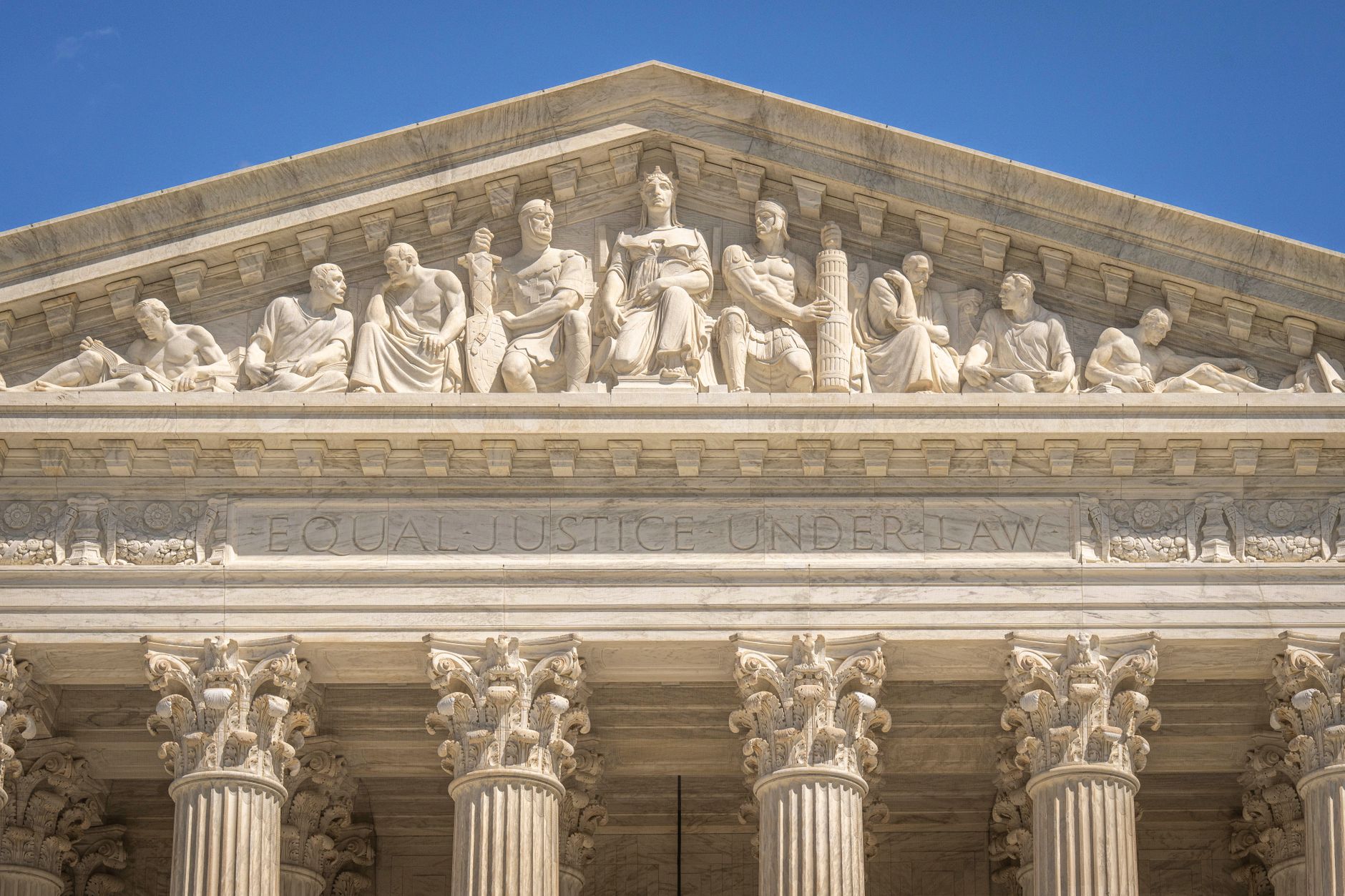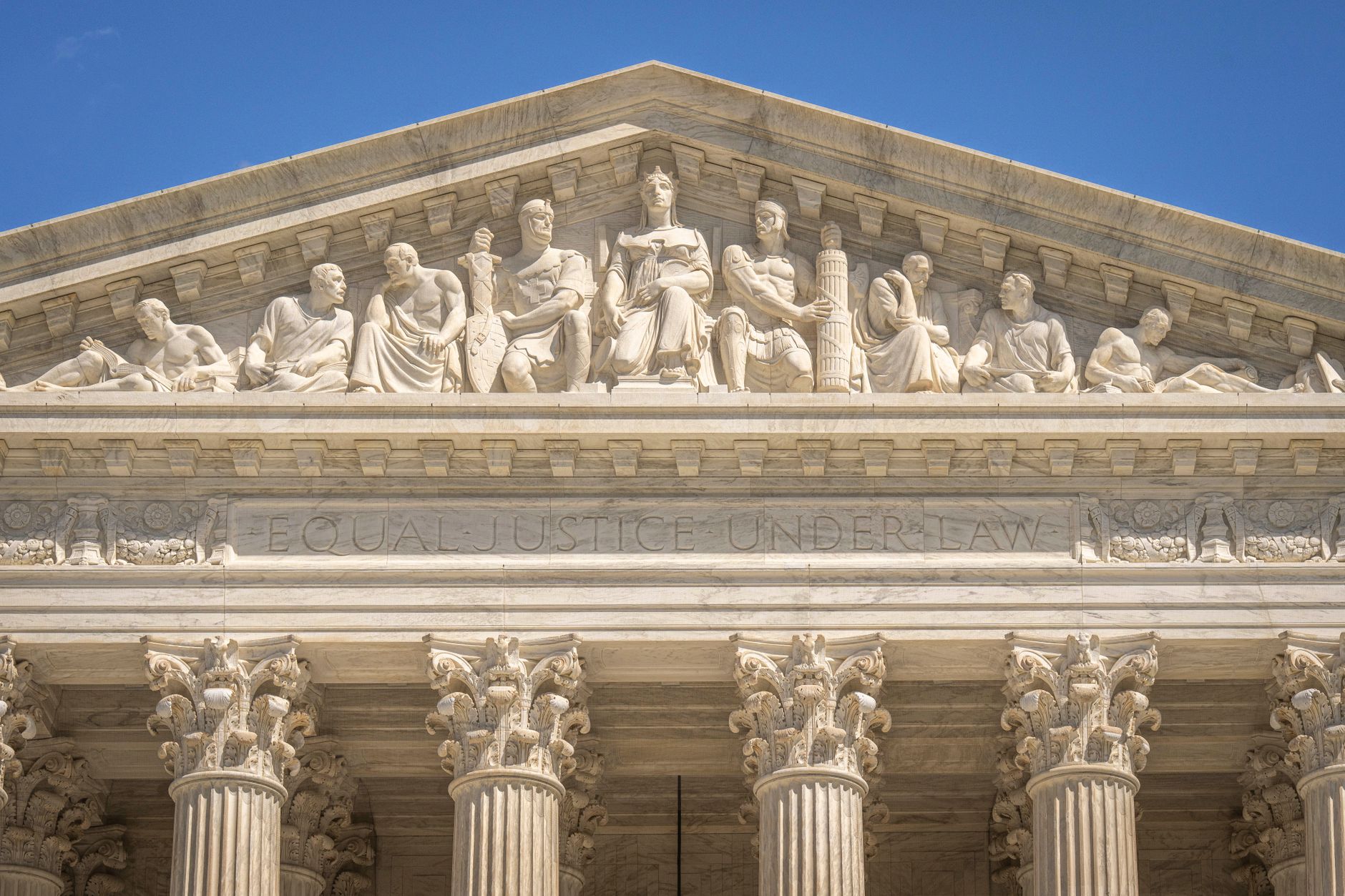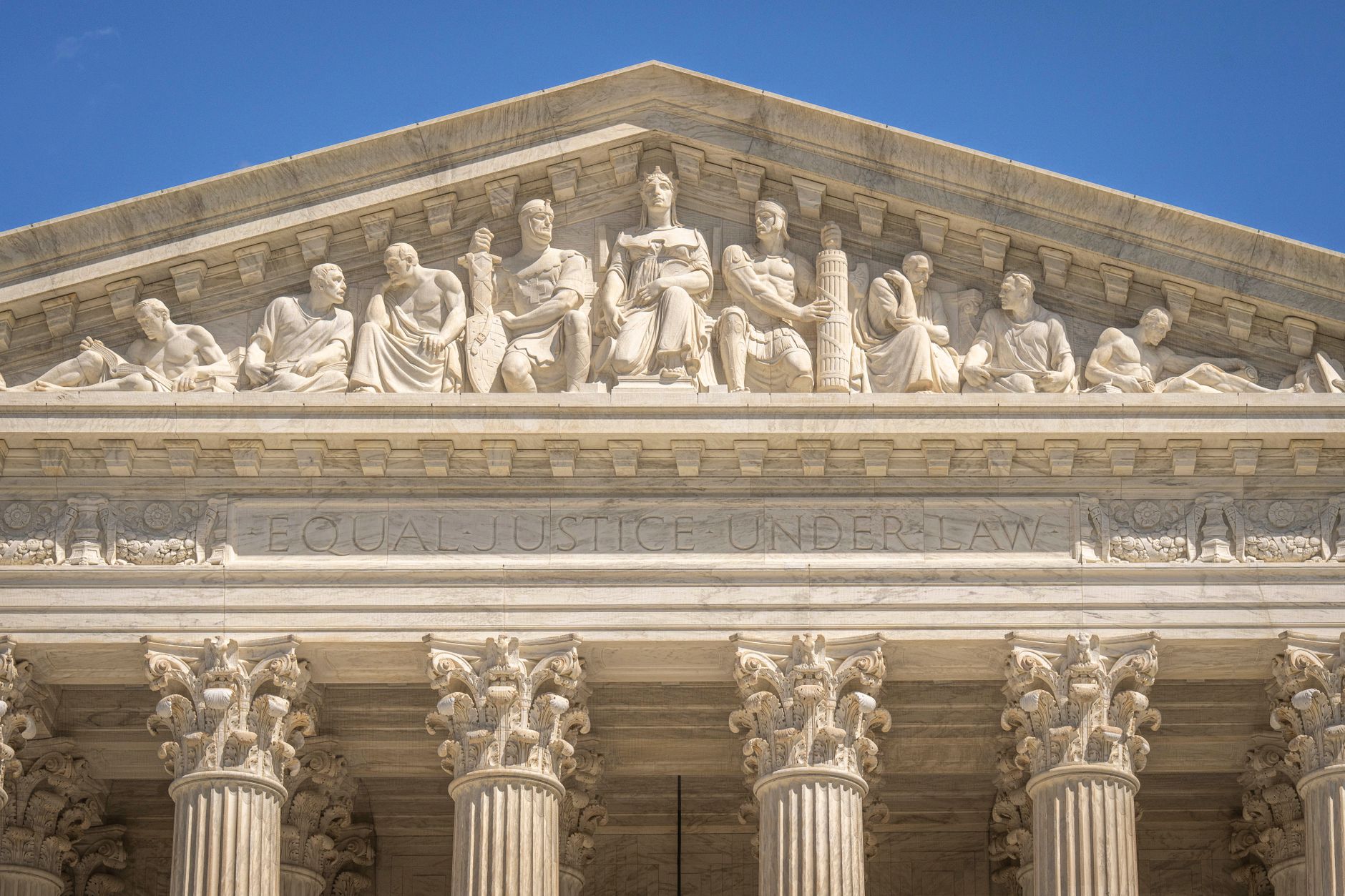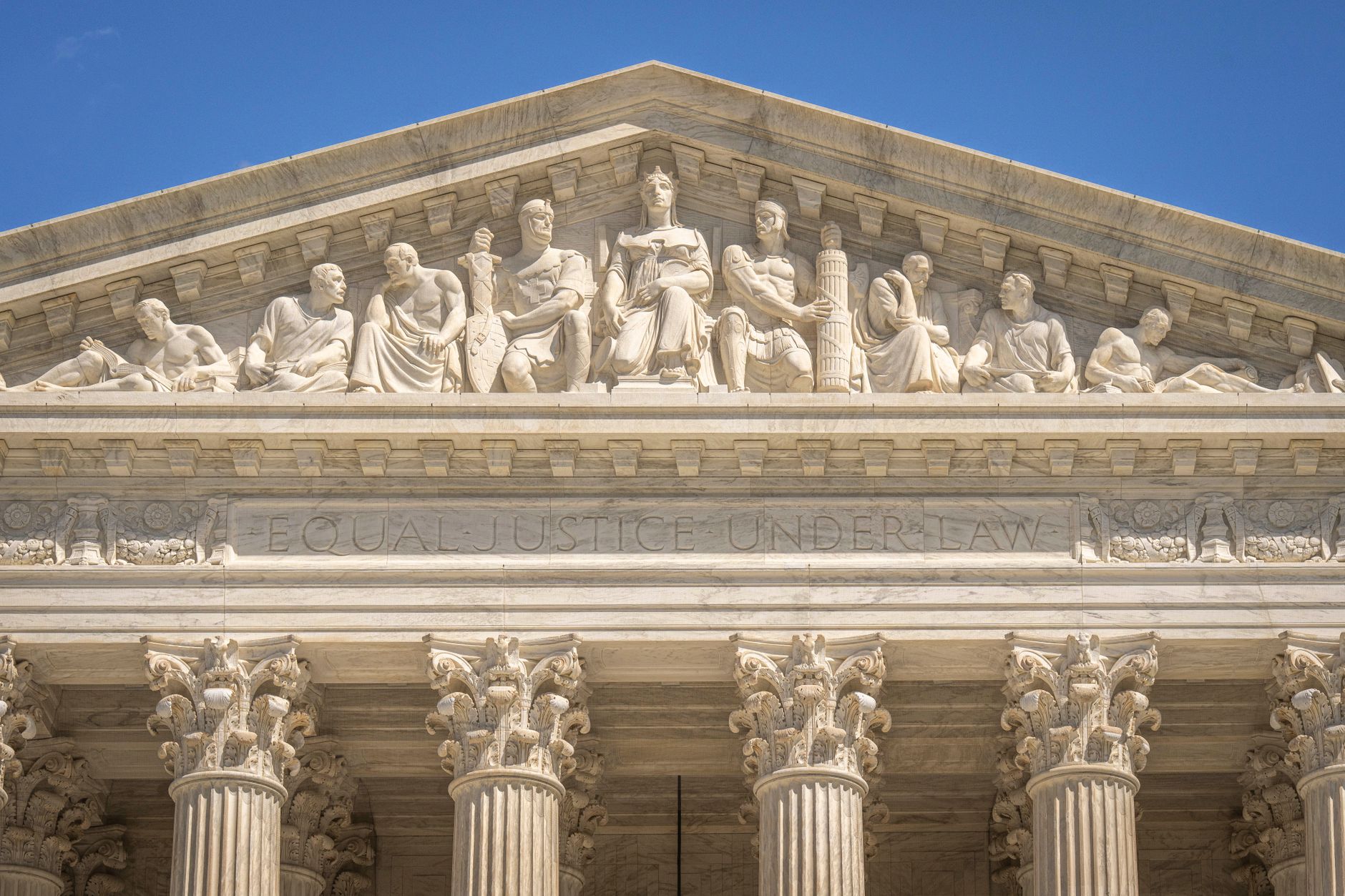
The Supreme Court of the United States issues a relatively small number of immigration decisions each term, but the effects of those rulings reach millions of people - visa holders, green card applicants, asylum seekers, and undocumented individuals alike. Unlike regulatory changes that USCIS or DHS can adjust through rulemaking, Supreme Court decisions carry the full weight of constitutional interpretation and can only be reversed by Congress or a future Court majority.
Understanding what the Court has actually decided - and what those decisions mean at the ground level - matters for anyone with an immigration case in progress or pending. The gap between a ruling’s legal holding and its day-to-day operational effect is often wide, and it takes months or years for agency practice to fully catch up.
Deportation Protections and the Limits of “Withholding of Removal”
In Garland v. Dai (2021), the Supreme Court addressed how immigration courts evaluate credibility in asylum and withholding of removal cases. The Court held that if an immigration judge makes no explicit adverse credibility finding, an applicant’s testimony must be accepted as true. This sounds favorable to applicants, but the practical result has been more explicit credibility findings from immigration judges rather than blanket acceptance of testimony. The Board of Immigration Appeals and immigration courts have responded by writing more detailed credibility analyses into their decisions.
For individuals in removal proceedings, this means that Immigration Judges are now more likely to issue written credibility assessments. If a judge finds testimony not credible, they are required to explain why, citing specific inconsistencies or implausibilities. This procedural requirement creates a stronger record for appeals to the Board of Immigration Appeals or federal circuit courts, which is a meaningful procedural gain for applicants who are denied.
Withholding of removal under 8 U.S.C. § 1231(b)(3) offers a different protection than asylum - it prevents deportation to a specific country but does not lead to a green card. The standard requires showing that life or freedom would be threatened on account of race, religion, nationality, membership in a particular social group, or political opinion. Post-Dai, establishing a clean factual record at the immigration court level is more important than ever, because federal appellate courts give significant deference to explicit findings made at the trial level.
The Chevron Doctrine’s End and Its Immigration Consequences
In Loper Bright Enterprises v. Raimondo (2024), the Supreme Court overturned the Chevron doctrine, which had required courts to defer to federal agencies’ reasonable interpretations of ambiguous statutes. For immigration law, this is one of the most structurally significant shifts in decades. USCIS, DOS, and DHS have long relied on Chevron deference to defend interpretations of ambiguous provisions in the Immigration and Nationality Act (INA).
Under Chevron, when Congress wrote an immigration statute with room for interpretation, courts generally let agencies fill in the gaps. Now, federal courts must exercise their own independent judgment about what immigration statutes mean. This opens the door to more legal challenges against USCIS policy decisions that were previously shielded by deference. Policy interpretations embedded in the USCIS Policy Manual, AAO decisions, and agency memos are now more vulnerable to judicial review. Practitioners filing federal lawsuits challenging visa denials or policy changes will have stronger arguments that courts should independently evaluate the legal basis of agency action.
Detained Immigrants and Bond Hearing Rights
In Johnson v. Arteaga-Martinez (2022), the Court held that the government is not required under 8 U.S.C. § 1231(a)(6) to provide bond hearings to immigrants who have been detained for six months or more while awaiting removal. The Court ruled that the statute does not contain a six-month presumptive release requirement, overturning the lower court’s reading that had provided that protection.
The practical effect was immediate in detention facilities. Before this ruling, some circuit courts had ordered the government to provide bond hearings after prolonged detention, effectively placing a check on indefinite holding. After Arteaga-Martinez, ICE detainees in the post-order-of-removal phase no longer have a statutory right to a bond hearing based purely on the passage of time. Individuals in this situation may still seek habeas corpus relief under 28 U.S.C. § 2241, but that requires filing in federal district court - a more complex and expensive process than an immigration court bond hearing.
For detainees and their families, this means that legal representation at the earliest stages of immigration proceedings is more consequential than before. Preventing a final order of removal, rather than challenging detention after one is issued, is now the more practical focus of defense strategy.
Asylum Law and the “Particular Social Group” Question
Garland v. Gonzalez (2022) was decided alongside Arteaga-Martinez and addressed whether federal district courts could issue class-wide injunctions in immigration cases. The Court held that 8 U.S.C. § 1252(f)(1) prohibits federal courts from granting classwide injunctions that would enjoin the operation of certain removal-related provisions. Individual habeas petitions remain available, but courts cannot grant broad injunctive relief affecting large classes of immigrants.
This ruling effectively ended one litigation strategy that immigrant advocacy groups had used - filing a single federal lawsuit and obtaining an injunction that temporarily halted a policy for thousands of people simultaneously. Going forward, challenges to immigration policies must generally proceed through the Administrative Procedure Act (APA) in the DC Circuit, through individual petitions, or through rulemaking challenges in specific circuits. The result is a slower and more fragmented legal landscape for policy challenges.
What Has Not Changed
It is worth being specific about what the Court has not done. The Supreme Court has not eliminated asylum as a legal protection. The Refugee Act of 1980, codified at 8 U.S.C. § 1158, remains in effect. Individuals who can demonstrate persecution or a well-founded fear of persecution based on race, religion, nationality, political opinion, or membership in a particular social group can still apply for asylum at a port of entry or within one year of entering the United States.
The Court has also not altered the basic framework of lawful permanent residence or employment-based immigration. Form I-485 (Application to Register Permanent Residence), Form I-140 (Immigrant Petition for Alien Workers), and the preference category system established by the INA remain intact. USCIS processing times and visa bulletin movement are driven by statute and administrative capacity, not by Supreme Court litigation.
Practical Steps Given the Current Legal Landscape
Given the Loper Bright ruling, anyone whose visa petition or benefit application has been denied based on a USCIS policy interpretation of ambiguous statutory language has a stronger argument for federal court review than they did before 2024. Filing in federal district court via a mandamus action or APA challenge is not appropriate for every case, but where an agency has exceeded its statutory authority, courts are now required to make that determination independently.
For individuals in removal proceedings, the elimination of automatic bond hearing rights after prolonged detention underlines the importance of requesting bond at the initial master calendar hearing before an Immigration Judge. Bond is governed by 8 C.F.R. § 236.1(d) and INA § 236(a), and a judge may set conditions of release for individuals not subject to mandatory detention. The request must be made proactively - the government will not initiate a bond proceeding on a detainee’s behalf.
This article provides general legal information only and is not legal advice. Anyone with a pending immigration matter should consult a licensed immigration attorney familiar with current case law in their jurisdiction.
USCIS’s Policy Manual, which reflects how the agency implements Supreme Court and circuit court decisions, is updated at uscis.gov/policy-manual and is searchable by topic and policy date.