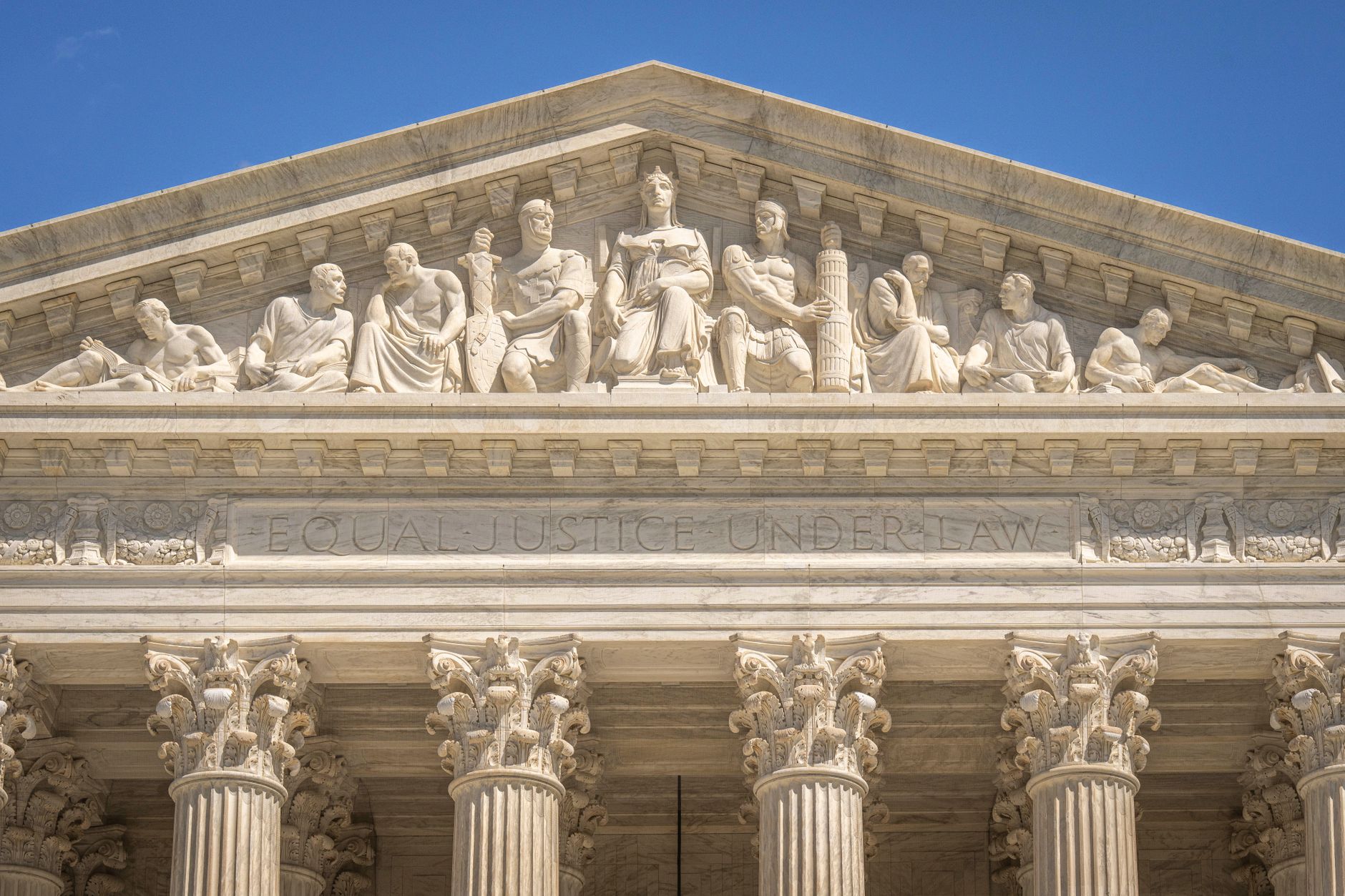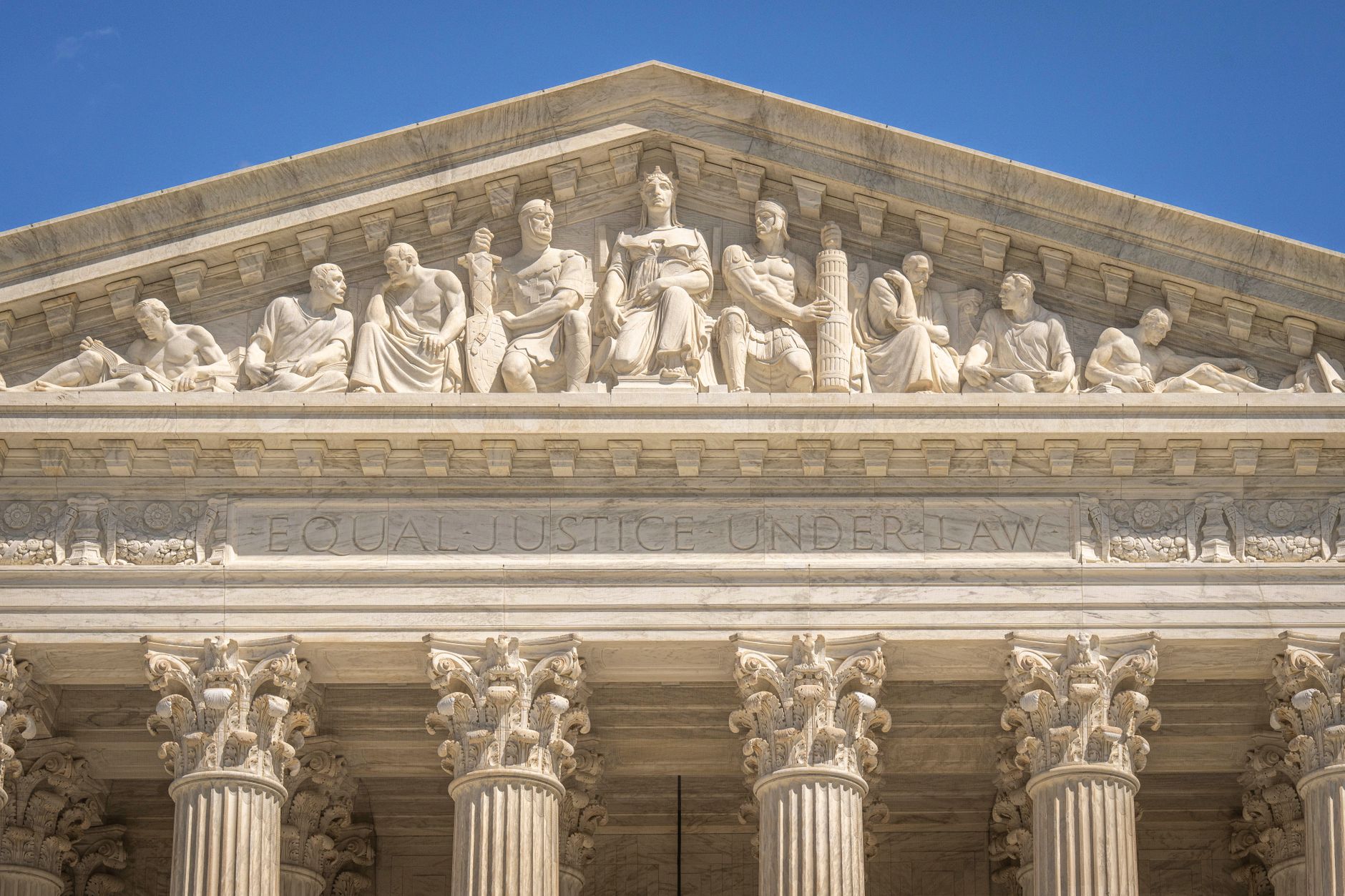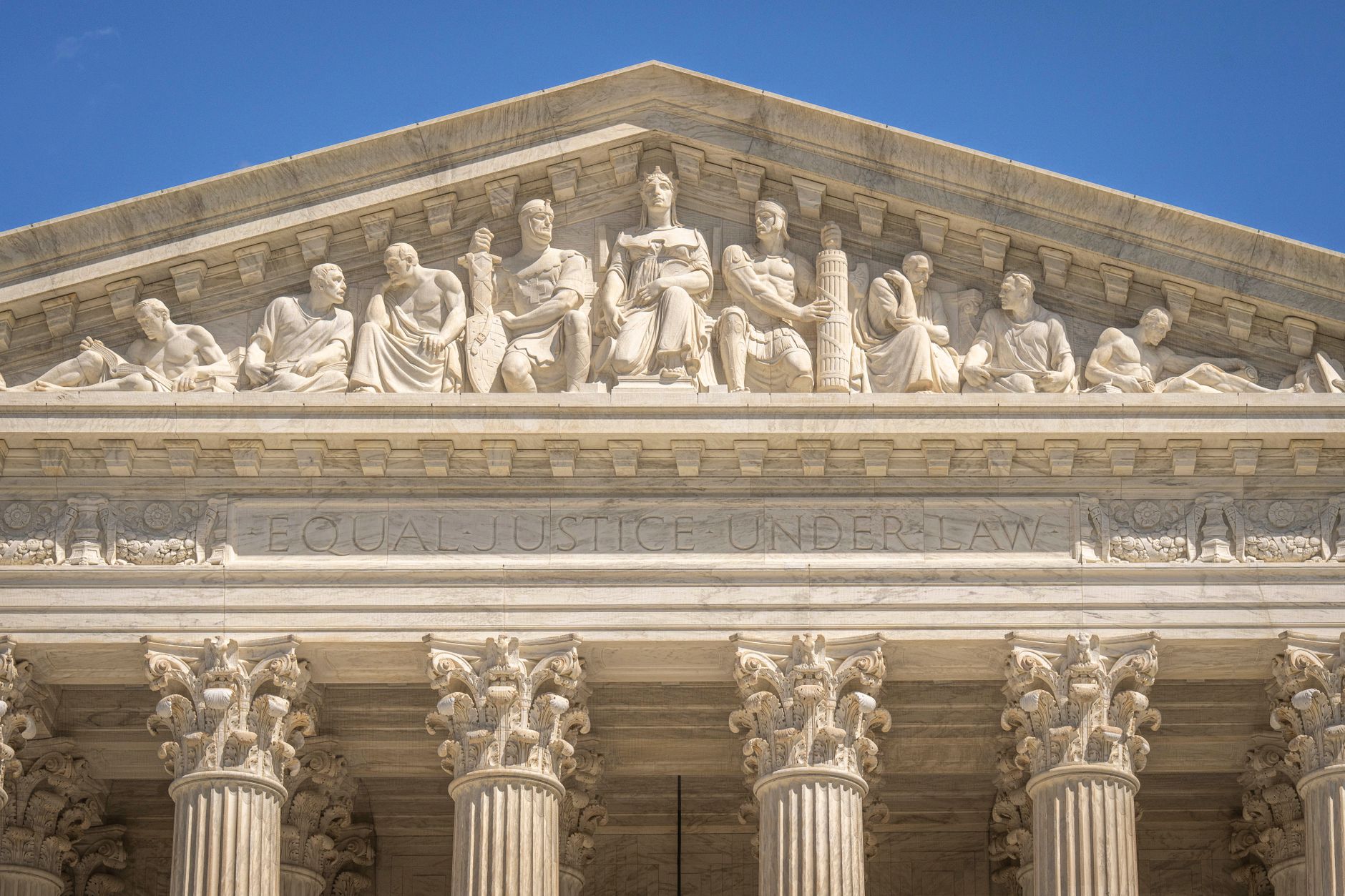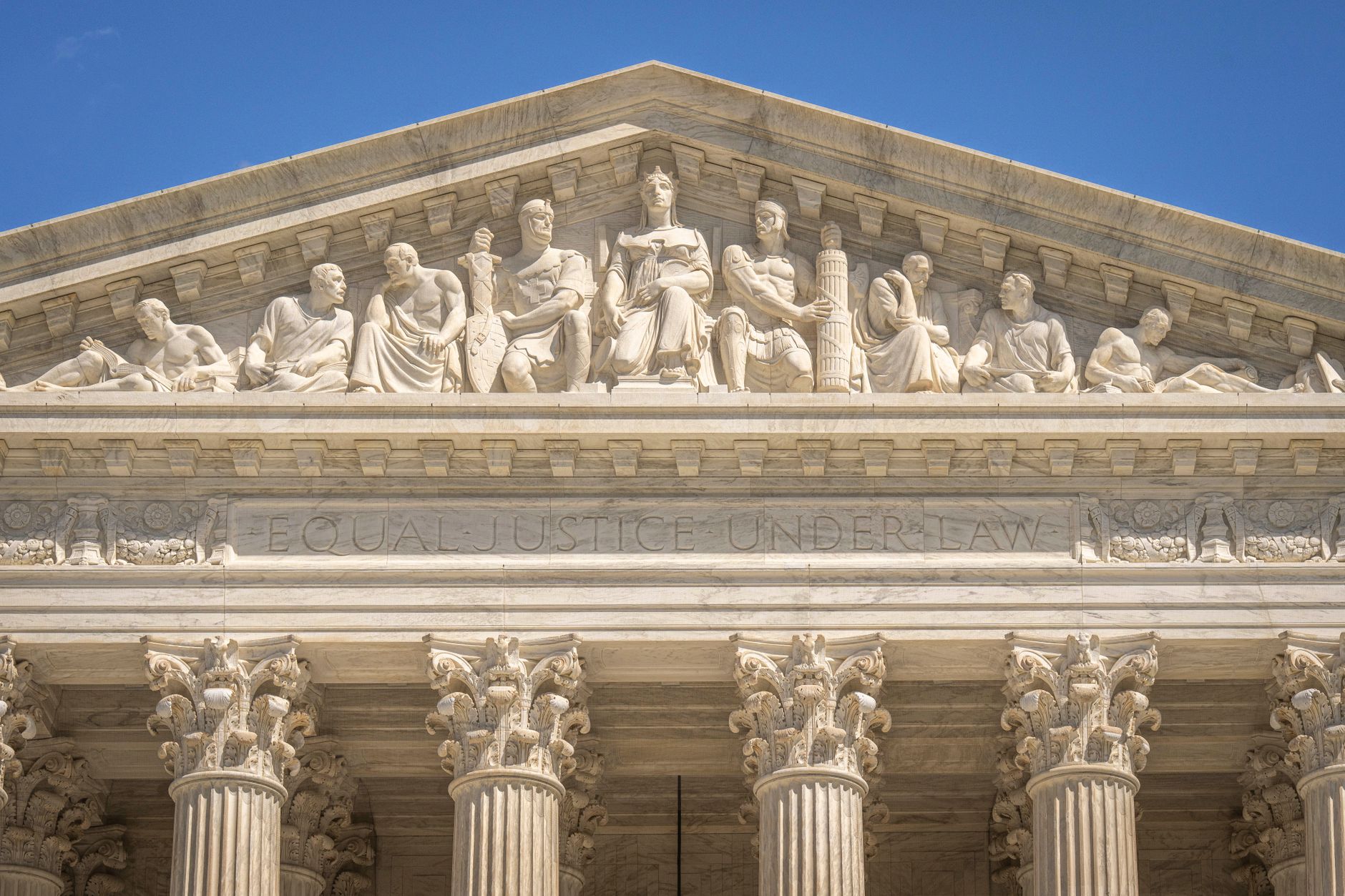
The Supreme Court of the United States issues immigration decisions that ripple far beyond the parties named in each case. When the Court rules on who can be detained, which documents trigger legal status, or how agencies must interpret immigration statutes, those rulings reshape the daily work of immigration officers, immigration judges, and the millions of people waiting for decisions on their cases.
Loper Bright and the End of Chevron Deference
Perhaps no recent Supreme Court ruling carries more long-term weight for immigration law than Loper Bright Enterprises v. Raimondo, decided in June 2024. In that decision, the Court overturned Chevron U.S.A., Inc. v. Natural Resources Defense Council (1984), a doctrine that had required federal courts to defer to federal agencies’ reasonable interpretations of ambiguous statutes. For immigration practitioners, the end of Chevron deference is significant because USCIS, ICE, and the Board of Immigration Appeals regularly issue policy guidance and decisions that interpret ambiguous language in the Immigration and Nationality Act (INA).
Under Chevron, courts gave substantial weight to USCIS interpretations of terms like “specialty occupation” under 8 U.S.C. § 1101(a)(15)(H)(i)(b), which governs H-1B visas. When USCIS issued a restrictive interpretation and denied a petition, federal courts often upheld it simply because the agency’s reading was “reasonable,” even if a different reading was equally valid. After Loper Bright, federal courts must now conduct their own independent statutory analysis rather than automatically deferring. This shifts leverage toward petitioners who can argue that USCIS has misread the law, and several federal district courts have already begun applying this standard in H-1B and EB-1 extraordinary ability cases.
The practical effect for visa applicants is not immediate, but it is real. Employers challenging H-1B denials, EB-2 National Interest Waiver rejections, or L-1 specialized knowledge determinations now have a stronger basis to seek judicial review rather than simply accepting agency decisions. Attorneys filing complaints in district court under the Administrative Procedure Act (APA) can argue that USCIS misinterpreted the statute itself, not merely that the agency was unreasonable. Cases working through federal courts in the Northern District of California, the Eastern District of Virginia, and other jurisdictions with high immigration caseloads are already citing Loper Bright in briefings.
Deportation Protections and the Role of Notices to Appear
Two earlier Supreme Court decisions - Pereira v. Sessions (2018) and Niz-Chavez v. Garland (2021) - established rules about Notices to Appear (NTAs) that continue to affect thousands of active removal cases. An NTA is the charging document that initiates removal proceedings in immigration court. Under 8 U.S.C. § 1229(a), a valid NTA must include specific information: the nature of the proceedings, the legal authority under which proceedings are conducted, the acts or conduct alleged, and critically, the time and place of the hearing.
In Pereira, the Court held that an NTA lacking a specific time and date for the hearing does not trigger the “stop-time rule” under 8 U.S.C. § 1229b(d)(1). The stop-time rule is central to cancellation of removal, a form of relief that requires a non-permanent resident to show ten years of continuous physical presence in the United States. When the government serves a defective NTA that omits the hearing date, the ten-year clock does not stop. Niz-Chavez went further, holding that the government cannot cure a defective NTA by later mailing a separate notice with the hearing date. The complete, compliant notice must arrive in a single document.
These rulings matter most for non-permanent residents in removal proceedings who are pursuing cancellation of removal under 8 U.S.C. § 1229b(b). If their NTA was defective - a common occurrence because USCIS and DHS frequently issued NTAs without hearing dates for years - their continuous presence clock may have continued running after the NTA was served, potentially allowing them to accumulate the required ten years. Immigration attorneys routinely audit their clients’ NTAs now as a first step after the government initiates removal. The Executive Office for Immigration Review (EOIR) has seen a significant volume of motions based on these two decisions.
Asylum Standards and the Court’s Approach to “Particular Social Group”
The Supreme Court has not issued a single sweeping ruling on asylum since INS v. Cardoza-Fonseca (1987), but the Court’s 2022 decision in Garland v. Gonzalez addressed class-action challenges to immigration detention during asylum proceedings. While technically a procedural ruling about whether federal courts could certify classes of detained asylum seekers, the practical effect was to restrict the ability of legal advocates to challenge detention conditions on a system-wide basis, pushing individual asylum seekers to file habeas corpus petitions under 28 U.S.C. § 2241 rather than rely on class litigation.
For asylum applicants, the definition of “particular social group” (PSG) under 8 U.S.C. § 1101(a)(42) remains contested at the circuit court level, and the Supreme Court has declined to resolve the circuit split. The BIA’s standards - that a PSG must be defined with particularity, socially distinct, and not defined by the persecution itself - are applied inconsistently across the Ninth, Fourth, and Fifth Circuits. Until the Supreme Court takes up a direct PSG case, applicants in different geographic regions face materially different odds of asylum approval based on the same underlying facts.
What Practitioners and Applicants Should Watch Next
The Court’s 2024–2025 term includes Department of Homeland Security v. Villarreal, which involves whether immigration courts can reopen cases where the government failed to serve a proper NTA. The outcome will determine whether the holdings in Pereira and Niz-Chavez can be applied retroactively to cases that were administratively closed years ago. If the Court rules in favor of the government, many individuals who thought their cases might benefit from defective NTAs will lose that avenue.
The Court also accepted Bouarfa v. Mayorkas, which addresses whether USCIS’s decision to revoke an approved immigrant visa petition is subject to judicial review under the APA. USCIS has argued that petition revocations are discretionary and therefore unreviewable under 8 U.S.C. § 1252(a)(2)(B)(ii). If the Court sides with USCIS, beneficiaries of approved I-130 or I-140 petitions that are later revoked will have no federal court remedy, even if the revocation was based on a legal error.
Reading the Decisions Directly
Every Supreme Court immigration decision is publicly available on the Court’s website at supremecourt.gov and through free legal databases like Google Scholar and Justia. Reading the actual opinions - including the dissents - provides a clearer picture of where the legal fault lines are than any summary can offer. Dissents in close immigration cases often predict the arguments that will succeed or fail in future litigation.
This article provides general information only. Consult a licensed immigration attorney for advice specific to your situation.
Practitioners preparing petitions or removal defenses in 2024 and 2025 should note that USCIS updated its Policy Manual in August 2024 to reflect post-Loper Bright guidance, and the BIA is expected to issue precedent decisions addressing NTA defects in early 2025 - decisions that will bind all immigration judges nationwide.